
Are you ready to tick a Tanzania safari off your bucket list?
Imagine venturing into the Ngorongoro Conservation Area by 4×4, where herds of zebra, wildebeest and fearless lions converge in its grassy plains or witnessing the great migration from a spectacular bird’s eye view in a hot air balloon. Tanzania is arguably one of the best places for safaris in Africa, promising unrivalled opportunities to spot big game and experience the endless African savannahs.
In this blog, we’ve pulled together 10 reasons why Tanzania is the best safari destination in the Africa (and possibly even the world).
1. Incredible national parks
There are a total of 22 national parks in Tanzania and it is estimated that 38% of its land is reserved as protected wildlife areas, home to a large quantity of rare and endangered species. The lesser visited Arusha National Park located on the foothills of Mount Meru in northern Tanzania leads its visitors into deep jungle that is home to blue monkeys, colourful turacos and white colobus monkeys.
Two of Tanzania’s UNESCO World Heritage sites, the iconic plains of the Serengeti National Park and the Ngorongoro Conservation Area, are home to all of Africa’s ‘Big Five’ and it is also possible to witness the great migration, one of the most famous migrations on the planet, here. With such bountiful wildlife, it’s no wonder that Tanzania is considered one of the best safari destinations.
2. Climb Kilimanjaro and visit turquoise blue beaches in one trip
When visiting Tanzania to go on safari, it’s a wonderful idea to climb Kilimanjaro, providing you have completed the necessary training and are booked on one of our Kilimanjaro treks. At Sasha Safaris, we always recommend our clients take the opportunity to combine a Tanzania safari trip with a Kilimanjaro trip as it would be a shame to miss out on either of these incredible experiences.
After completing the trek to Kilimanjaro and safari tour, spending a few days on the beautiful tropical island of Zanzibar is the perfect way to relax and recharge. A short hop by plane could see you on Zanzibar’s world-famous white sand beaches overlooking beautiful turquoise waters, making Tanzania a one-stop destination for safari, trekking and relaxing.
3. Easily accessible
Kilimanjaro International Airport serves as the gateway to some of Tanzania’s most incredible national parks in the north of the country. From this airport, you can arrange transportation to various safari destinations such as the Serengeti, Ngorongoro Crater, Tarangire and many more. For those heading to central or south Tanzania, Julius Nyerere International Airport is a better option.
The best time for safari holidays in Tanzania is between June and August as the spectacular Mara River crossing and where the great migration occurs between June and July. These months are also cooler which is ideal for avoiding the harsh heat although the parks will likely be very busy if you choose to travel at this time of year.
January to February brings fewer vehicles and greener landscapes after the short rains. If you embark on a Tanzania safari in these months, you’ll see baby wildebeest and more predators as well as migratory birds flitting amongst foliage. Being low season, it will also be less crowded, but the lush vegetation can make it trickier to spot shy wildlife.
4. Spot the ‘Big Five’

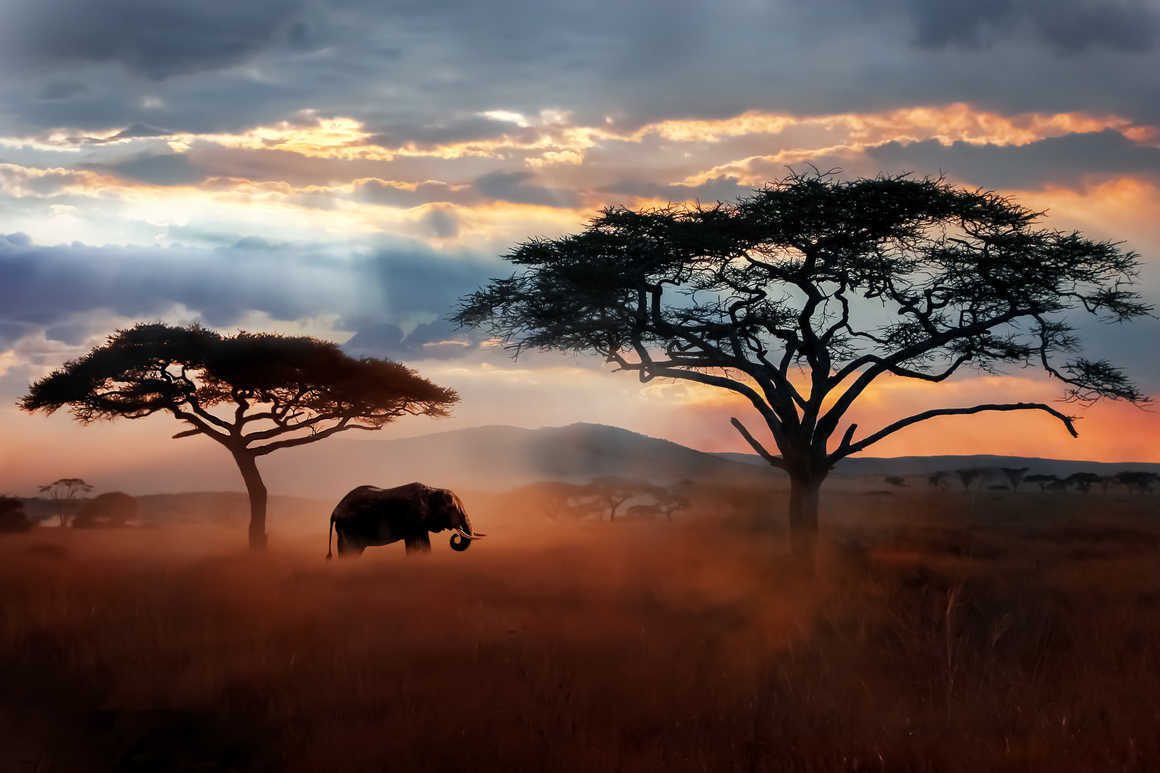
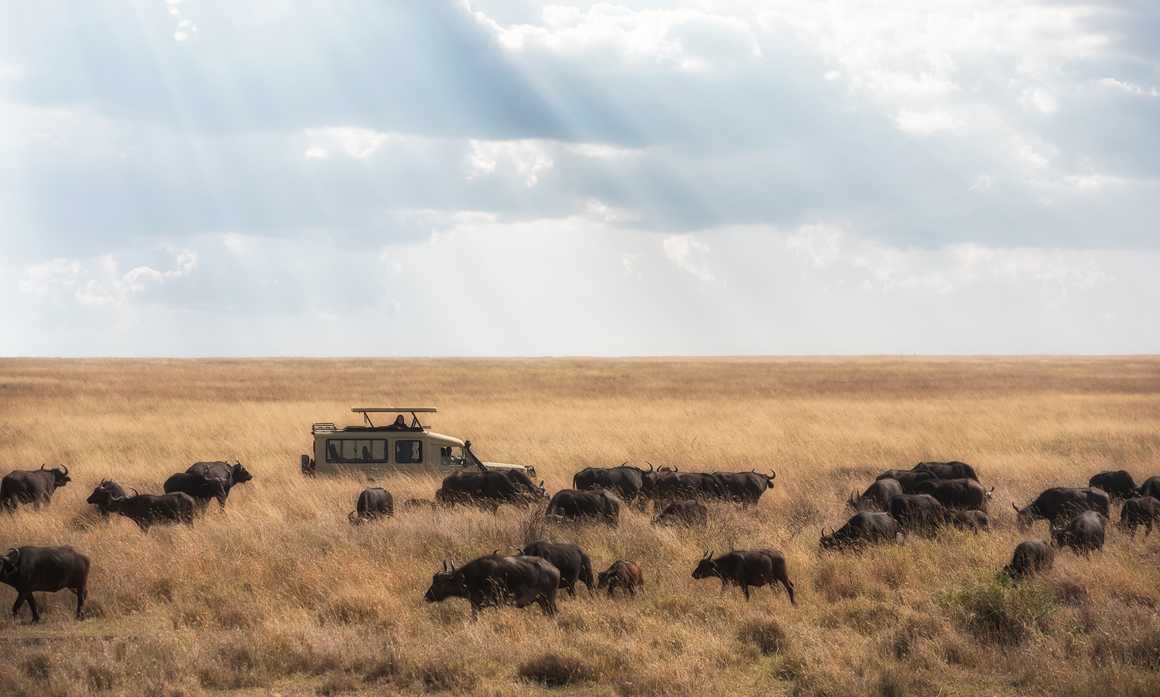
It’s possible to see the elusive ‘Big Five’ in the wild in Tanzania – elephants, lions, rhinos, buffalo and leopards. It’s also one of only a few places you can still find these animals in their natural habitats. The best areas to experience the ‘Big 5’ are the Serengeti and the Ngorongoro Conservation Area.
The diverse range of animal species and their high population density in the Ngorongoro crater make it one of the top destinations in Tanzania to spot the famous ‘Big Five’. In addition to Ngorongoro, the iconic Serengeti National Park is another designated conservation area in Tanzania that offers the opportunity to observe its vast array of animals, including the ‘Big Five’.
5. Bird watching
There are many lesser-known and equally fascinating species that can be encountered in a Tanzania such as over 1000 species of bird that make this country such a biodiverse and special place.
From the Tawney eagle with a wingspan of up to 190 centimetres to the Fisher’s lovebird at only 14 centimetres in length, seeing these majestic, feathered creatures, big and small, in their natural habitat is an unforgettable experience.
6. See the great migration
After calving in the southern part of Tanzania’s Serengeti National Park near the Ngorongoro Conservation Area, the wildebeest journey 800km through the Serengeti towards the Masai Mara in Kenya, before returning once again near the end of the year.
Along the way, as the wildebeest follow the age-old route in search of grazing and water, thousands of animals are taken by predators like lions and hyenas, and thousands more are born, offering an unparalleled wildlife viewing experience.
Whether you would like to plan your Tanzania safari trip around the great migration is totally up to you. The best time to locate large herds of wildebeest is from December to May in the southeast and Ndutu, from May to July in the western corridor and from July to October in the Serengeti Mara area and October to November in the northern Serengeti and Lobo area, although the timing of herd movements cannot be guaranteed.
7. The Ngorongoro Crater
The crater was formed millions of years ago, resulting in a caldera that is now home to a totally unique, self-contained ecosystem. It is home to some 25,000 large mammals including thousands of wildebeest, zebra, eland and buffalo and over 500 species of bird. The crater also contains one of the world’s highest densities of lions which thrive on the abundant prey, making it a popular safari destination in Tanzania.
8. Accommodation

Tanzania is one of the best safari destinations in the world for its incredible safari accommodation alone. You can stay luxurious tented camps in the bush where you will fall asleep to the sounds of the wild and wake up to breathtaking views of the landscape. With all the amenities you need including cosy beds and private en-suite bathrooms, Tanzania’s safari accommodation allows total comfort and relaxation while still allowing you to feel connected to nature.
9. Hot air balloon safaris
Hot air balloon safaris leave from three sites in the Serengeti giving you the best chance of game viewing at any time of year, with flights lifting off at dawn when the winds are the lightest. Each flight is unique, some high enough to view the panoramic landscape for miles ahead and others low enough to see individual animals up close. This is not an experience you would want to miss out on!
10. Olduvai gorge
This significant archaeological site is located between the Ngorongoro Crater and the Serengeti National Park in the Great Rift Valley. Sasha Safaris 5-day safari extension takes visitors to this incredible site before continuing into the Serengeti National Park.
Located at the edge of the gorge’s bank, overlooking the famous rock castle in the gorge’s midsection is the Olduvai Gorge Site Museum offering extensive archaeological and cultural exhibits related to the area. The Olduvai Gorge Museum offers a fascinating journey back in time to the earliest days of mankind, showcasing numerous fossils and stone tools from our hominid ancestors as well as skeletons of many extinct animals excavating in the gorge.
Whether you’re a wildlife enthusiast, nature lover or a curious adventurer, Tanzania has it all. From the awe-inspiriting Serengeti and its Great Migration to the breath-taking Ngorongoro Crater and its abundance of wildlife, Tanzania offers an unforgettable safari experience like no other. But it doesn’t stop there. With attractions including treks to Mount Kilimanjaro and beach holidays in Zanzibar, a trip to Tanzania is sure to leave you with memories to last a lifetime.